Regain HiCAl products are a cost effective source of fluoride, alkalis, carbon and alumina for clinker mineralisation and alkali correction to enhance clinker quality and reduce cement clinker factor and for thermal substitution of traditional fuels.

Fluoride boosts the alite formation in clinker resulting in better clinker quality and enabling reduced clinker factors in cements. Thereby the specific energy consumption and greenhouse gas emission of cement can be reduced significantly. Alkalis bind to excessive sulphur in clinker reducing sulphur cycles in kiln systems and enhancing clinker reactivity. Carbon contributes to the fuel mix and substitutes traditional fuels like coal or petcoke. Alumnina replaces other alumina correctives used in the raw mix if needed.
The molar balance between alkalis and sulphur in clinker is a crucial aspect to consider and optimise in clinker due to its significant impacts on kiln operation and clinker quality.

HiCAl products contain high portions of sodium which allows cement manufacturers with low to moderate natural alkali levels in clinker to control and increase this important chemical parameter.
Beside the absolute contents of sulphur, potassium and sodium in percent, the molar alkali-sulphur ratio (A/S) is typically used to fully describe the situation of these important elements in clinker:

Depending whether there is a balance between alkalis and sulphur or an excess of either sulphur or alkalis, different reaction pathways with different consequences for kiln operation and clinker quality occur:

In case of alkali-sulphur balance, the most favourable situation:
In case of alkali excess:
In case of sulphur excess:
Based on the above, the optimum market for HiCAl products would be clinker plants with low to moderate alkali levels and a molar sulphur excess. These plants could increase the level of alkali in clinker with HiCAl, improve their alkali-sulphur balance and profit from improved kiln operation and clinker reactivity.
Fluoride is a flux and a mineraliser for clinker, improves burnability and promotes alite formation and clinker reactivity.

Clinker mineralisation with fluoride facilitates the production of clinker with alite contents up to 80 %.
On the one hand, fluoride increases the rate of alite formation in clinker, on the other hand it also stabilises alite at lower temperatures. Overall, these effects of fluoride on the alite formation reaction improve clinker burnability which can industrially be exploited to reduce specific thermal energy consumption of clinker burning or it can be used to burn clinker with superior alite contents. The technology of clinker mineralisation was implemented by different cement manufacturers end of the last century to increase cement volumes and reduce production cost in suitable markets. Typically natural fluorspar was used as a source for fluoride but with the option to use HiCAl products, a very cost competitive alternative fluoride source is now available.
Beside the material supply, Regain provides technical support for the implementation of clinker mineralisation.
Laboratory burnability testing was done on raw meals doped with HiCAl. Therefore small quantities of HiCAl 40 were added to raw meal to adjust different levels of fluoride. After burning the mixes in a laboratory kiln at temperatures between 1350 and 1450 °C, the remaining free lime in the burned clinker was measured and used to quantify the effect of the fluoride input from HiCAl products on burnability.
As can be seen in the following chart, increasing fluoride in clinker has a very beneficial impact on the remaining free lime level in the burned clinker samples:

Some HiCAl products contain significant portions of carbon for thermal substitution in cement kilns. Due to the high content of alumina, HiCAl products are also suitable alumina correctives if needed.
Replacement of traditional fuels with alternative fuels is an important strategy for cement plants to reduce production cost, greenhouse gas emissions and improve sustainability of cement manufacturing. The carbon portion of HiCAl products of up to more than 40% carbon in HiCAl 40, allows to substitute other fuels in cement kilns up to 10% of the required heat for clinker burning.
For cement plants that need natural alumina correctives like bauxite or clays, using HiCAl products as an alternative raw material, is a more attractive option, saving natural resources and cost.
Clinker and cement production is an intensive process in terms of natural raw material and energy input.
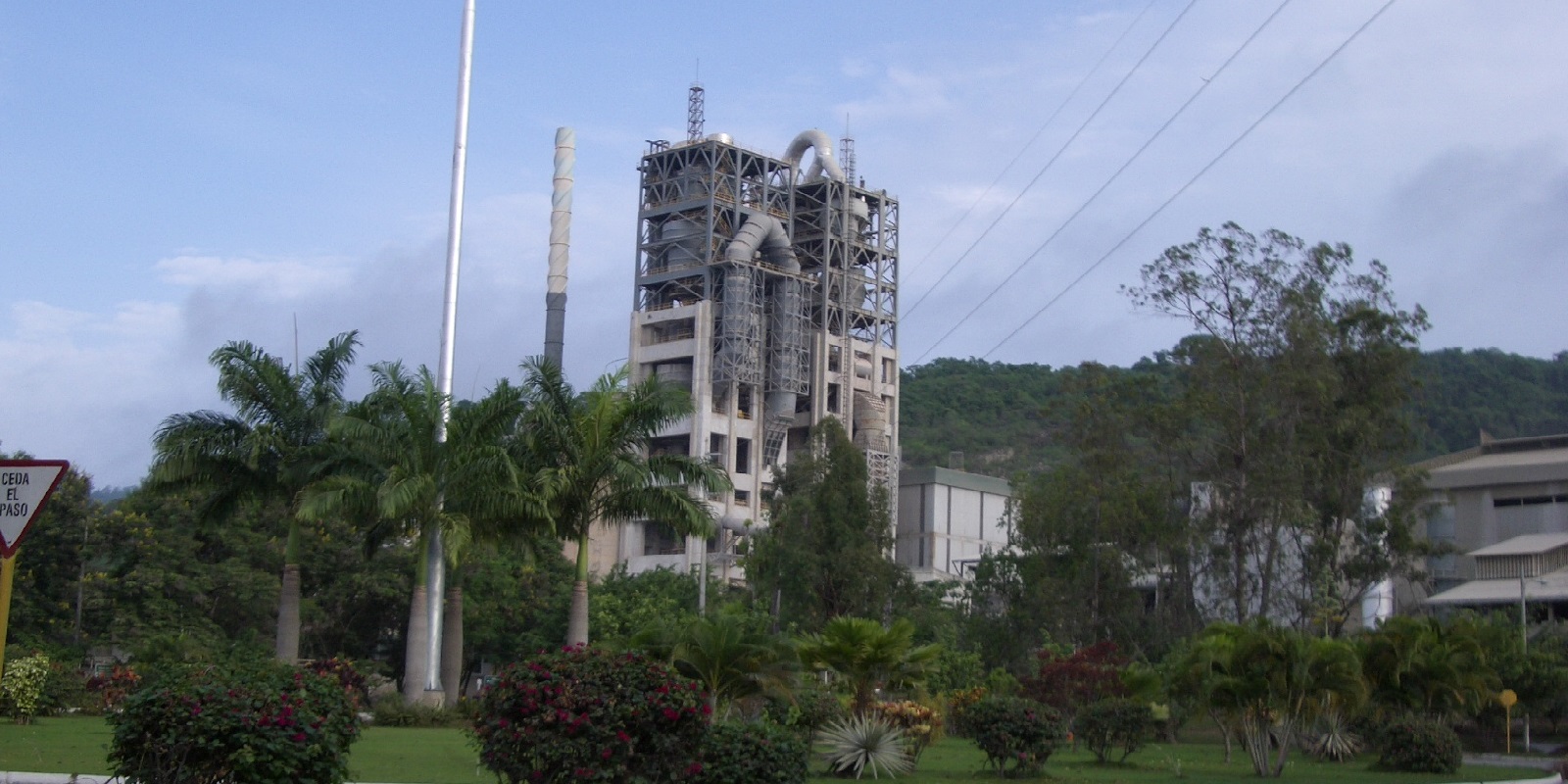
Limestone (primary source of calcium carbonate CaCO3) and clay (primary source of silica SiO2, alumina Al2O3 and iron oxide Fe2O3) are typically mined in company-owned quarries and pre-blended to a target chemical material composition. Corrective materials like sand, iron ore, bauxite or industrial waste materials (alternative raw materials) are then used to fine-tune and correct the chemical composition of this pre-blend material in the raw mill. Fine ground raw meal is then stored and further homogenised in the raw meal silo.
A kiln system consists of a static preheating system with typically five cyclone stages and a pre-calciner. The raw meal (so-called “kiln feed”) is heated up to 1,000°C and the calcium carbonate portion is calcined: CaCO3 -> CaO + CO2 (g). In the attached rotary kiln, the material is then heated up to 1,450°C and Portland cement clinker is formed.
Fast cooling and freezing of these artificial minerals then happens in the clinker cooler, the third element of a cement kiln system. A crucial ingredient to make this mineral transformation happen is the fuel. Historically oil and gas were used, then coal and petcoke, but since the 1980s more and more alternative fuels are employed for heating. Here it must be highlighted that the fuel ash is incorporated fully in the clinker so the final clinker composition is always the sum of the calcined raw meal and the remaining fuel ash after burn-out of the fuel. Clinker is the important intermediate product stage in cement manufacturing and is also traded worldwide as a commodity between cement producers.
Gypsum is added to control cement setting, i.e. the hardening process. Mineral components are added to reduce the clinker portion in cements and introduce special product properties. Pure Ordinary Portland Cements (OPC) contain only clinker and gypsum; blended cements are the ones with mineral components.
The following scenario describes a potential business case for HiCAl at a fictional 1 million tonne per year clinker plant producing 1.16 million tonnes of cement with a cement clinker factor of 86%.
Assumptions:
By using 20,000 tonnes per year of HiCAl products the plant could implement clinker mineralisation, therefore increasing the alite level to 70% and reducing the clinker factor of cement by 5%.
Simultaneously the plant could double the sulphur input to the kiln system using 5% cheaper higher sulphur coal while maintaining its perfect alkali-sulphur balance.
Finally the plant will have achieved approximately an extra 1% clinker factor reduction due to the higher content of soluble alkalis in clinker.
So overall more than 7 million USD business value could be generated per year by using 20,000 tonnes of HiCAl products.