
Developing viable and practical solutions to the Spent Potlining problem has proven difficult due to the inherent hazards of SPL, its highly variable nature and complex chemistry.
A challenge for the primary aluminium smelting industry is to find a method of disposing of or recycling Spent Potlining or Spent Potliner.
Spent Potlining is particularly hazardous due to:
Spent Potlining is regulated as a hazardous waste in most parts of the world and is subject to:
For more than twenty years, the primary aluminium and support industries have invested significant capital into the research and development of Spent Potlining solutions with limited success.
Potential Spent Potlining solutions have been hampered by their tendency to:
Regain has solved these problems with a low cost, proven technology with no residual waste material.
Find out more: Regain SPL Solution
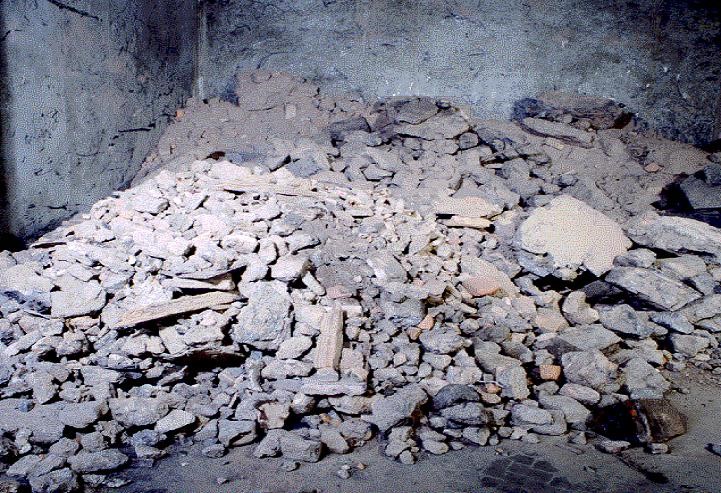
Spent Potlining Characteristics
The aluminium reduction cell, or “pot” contains a lining of refractory and carbon blocks and bricks that contains the hot cryolite and metal at around 970 degrees celsius. Over time this lining is worn away and impregnated with chemical compounds. Once the refractory and carbon lining has reached the end of its useful life the pot is taken out of service and the lining removed as Spent Potlining. In its raw form, Spent Potlining varies in size from fine dust to lumps of up to one metre. It is typically made up of a wide range of minerals and chemical compositions because the different materials in the Potlining are mixed together during removal from the pot.